How to Start Bitcoin Mining in 2024: A Beginner's Step-by-Step Guide
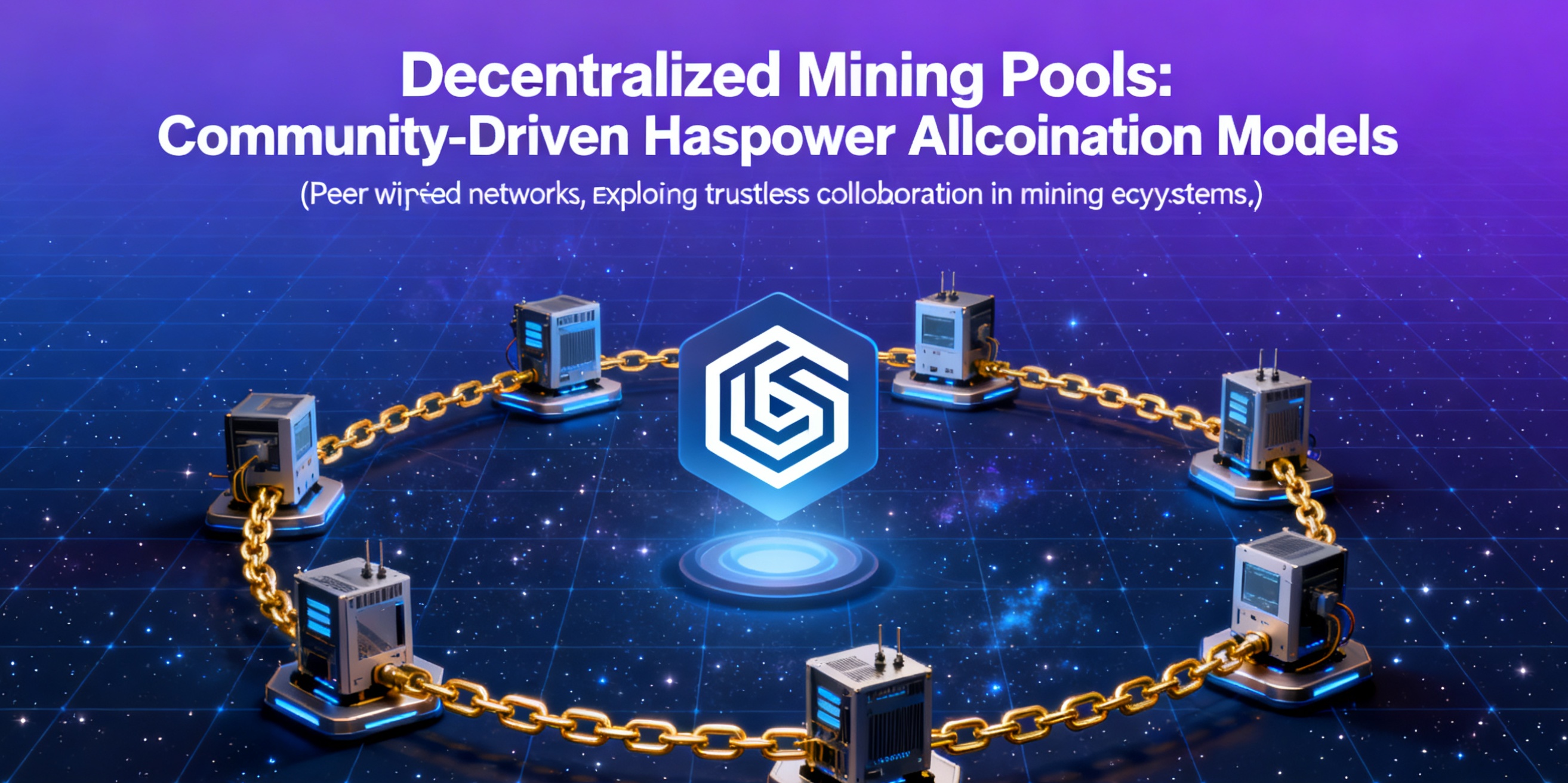
Bitcoin mining is the process that secures the network and creates new coins. For many, it represents an intriguing opportunity. This guide will walk you through the essentials of how to get started with Bitcoin mining today.
The first step is understanding what mining entails. Miners use specialized computers to solve complex mathematical puzzles. Successfully solving a puzzle validates a block of transactions and rewards the miner with newly minted Bitcoin and transaction fees. This process requires significant computational power and electricity.
Before you begin, calculate profitability. This is the most critical step. Use an online Bitcoin mining calculator. Input key factors: the cost of your mining hardware (an ASIC miner is now essential), your local electricity cost per kilowatt-hour, and the current network difficulty. Mining is often only profitable with low-cost electricity and efficient equipment.
Next, acquire the proper hardware. Gone are the days of mining with a home PC. Today, you need Application-Specific Integrated Circuit (ASIC) miners, such as those from Bitmain or MicroBT. These machines are designed solely for mining and offer the necessary power. Be prepared for a substantial upfront investment and the noise/heat they generate.
Choosing mining software is your following step. The software connects your hardware to the blockchain and your mining pool. Popular options include CGMiner, BFGMiner, and EasyMiner. Most are free and offer different levels of control, from command-line to graphical interfaces.
You must join a mining pool. The difficulty of mining a block solo is astronomically high for an individual. A pool combines the hash power of many miners to increase the chance of finding a block. Rewards are then shared based on contributed work. Research pools like Foundry USA, Antpool, or F2Pool, considering their fee structure and payout schemes.
Finally, set up a secure Bitcoin wallet. This is where you will receive your mining rewards. Choose a reliable wallet, such as a hardware wallet (Ledger, Trezor) for maximum security for stored coins, or a trusted software wallet for frequent payouts. Never use an exchange address directly without verifying it supports such transactions.
Once everything is connected, you can start mining. Monitor your setup closely for stability and temperature. Keep track of your earnings versus operational costs, primarily electricity. The landscape is dynamic; profitability can change with Bitcoin's price, network difficulty, and energy costs.
Important considerations for 2024 include energy efficiency and location. Miners are increasingly seeking renewable energy sources to reduce costs and environmental impact. Furthermore, some regions have regulations concerning cryptocurrency mining, so ensure your operation is compliant with local laws.
Bitcoin mining has evolved into a professional, capital-intensive industry. However, for individuals with access to affordable electricity and a willingness to learn, it remains a potential avenue to acquire Bitcoin directly. Start small, do thorough research, and always prioritize understanding the costs and risks involved in this competitive field.
Post a Comment