How to Mine Bitcoin: A Beginner's Guide to Crypto Exchange Earnings
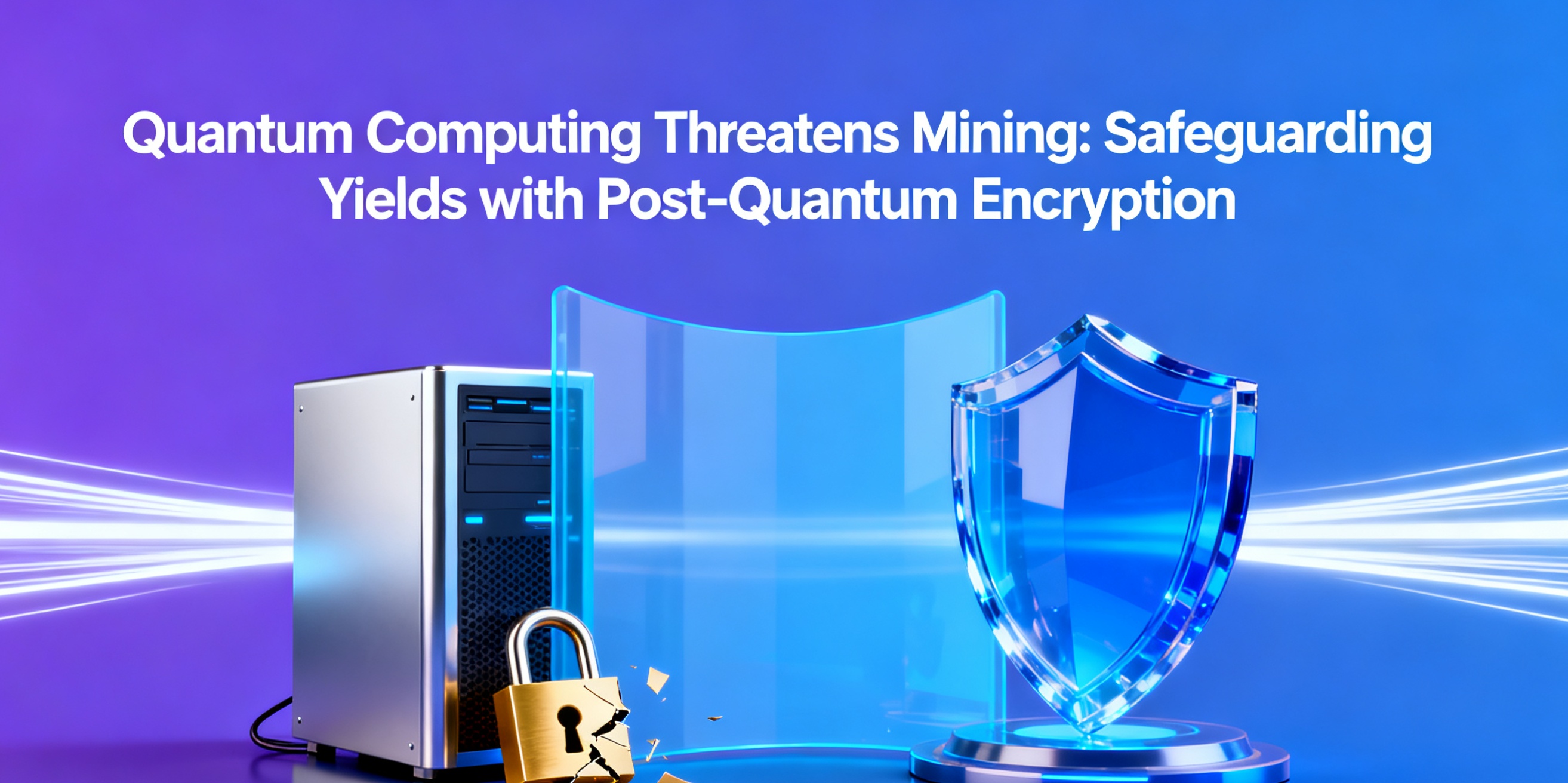
Bitcoin mining is the process that secures the network and creates new coins. While you cannot directly "mine a Bitcoin exchange," you can mine Bitcoin and then use an exchange to sell or trade your earnings. This guide explains the fundamentals of how to start mining Bitcoin and how exchanges fit into the equation.
At its core, Bitcoin mining involves using specialized computer hardware to solve complex mathematical problems. These machines, known as miners, compete to validate bundles of transactions called blocks. The first miner to solve the problem gets to add the block to the Bitcoin blockchain and is rewarded with newly minted Bitcoin and transaction fees. This process is essential for maintaining the decentralized ledger's security and integrity.
To begin mining, you need specific equipment. In the early days, ordinary computers could mine Bitcoin, but today it requires Application-Specific Integrated Circuits (ASICs). These are powerful machines designed solely for mining cryptocurrency. You will also need reliable, low-cost electricity, as mining consumes significant power, and mining software to connect your hardware to the blockchain network. Finally, a Bitcoin wallet is necessary to receive and store your mining rewards.
Most individual miners now join a mining pool. A mining pool is a group of miners who combine their computational power to increase their chances of solving a block and earning rewards. When the pool is successful, the reward is distributed among members based on the amount of processing power they contributed. This provides a more steady and predictable income stream compared to solo mining, which can be highly unpredictable.
This is where cryptocurrency exchanges become crucial. An exchange is a platform where you can trade your mined Bitcoin for other cryptocurrencies or traditional fiat currency like US dollars. After you earn Bitcoin from a mining pool, you will transfer it to your wallet and then typically send it to your chosen exchange account. From there, you can hold it, sell it on the market, or convert it into other assets. Choosing a reputable, secure, and compliant exchange is a vital step in monetizing your mining efforts.
Before investing in mining hardware, it is critical to calculate potential profitability. Several factors affect this, including the cost of your ASIC miner, your local electricity rate, the current Bitcoin price, and the overall network mining difficulty, which regularly increases. Many online mining calculators allow you to input these variables to estimate potential profit or loss. Be aware that mining is often a competitive, low-margin business, and profitability is never guaranteed.
Mining also comes with challenges. The high initial investment for equipment, ongoing electricity costs, heat and noise generated by miners, and the constant evolution of technology which can make hardware obsolete are significant considerations. Furthermore, the regulatory environment for cryptocurrency mining varies by country and region, so it is essential to understand your local laws.
In conclusion, while the phrase "mine Bitcoin exchange" is a misnomer, the path from mining to exchange is straightforward. By understanding the process of acquiring the right hardware, joining a pool, and using a secure exchange to manage your earnings, you can participate in the Bitcoin ecosystem. Always conduct thorough research, start with realistic expectations, and prioritize security in both your mining operations and your choice of cryptocurrency exchange.
Post a Comment