How Bitcoin Mining Works: A Beginner's Guide to Crypto Mining Machines
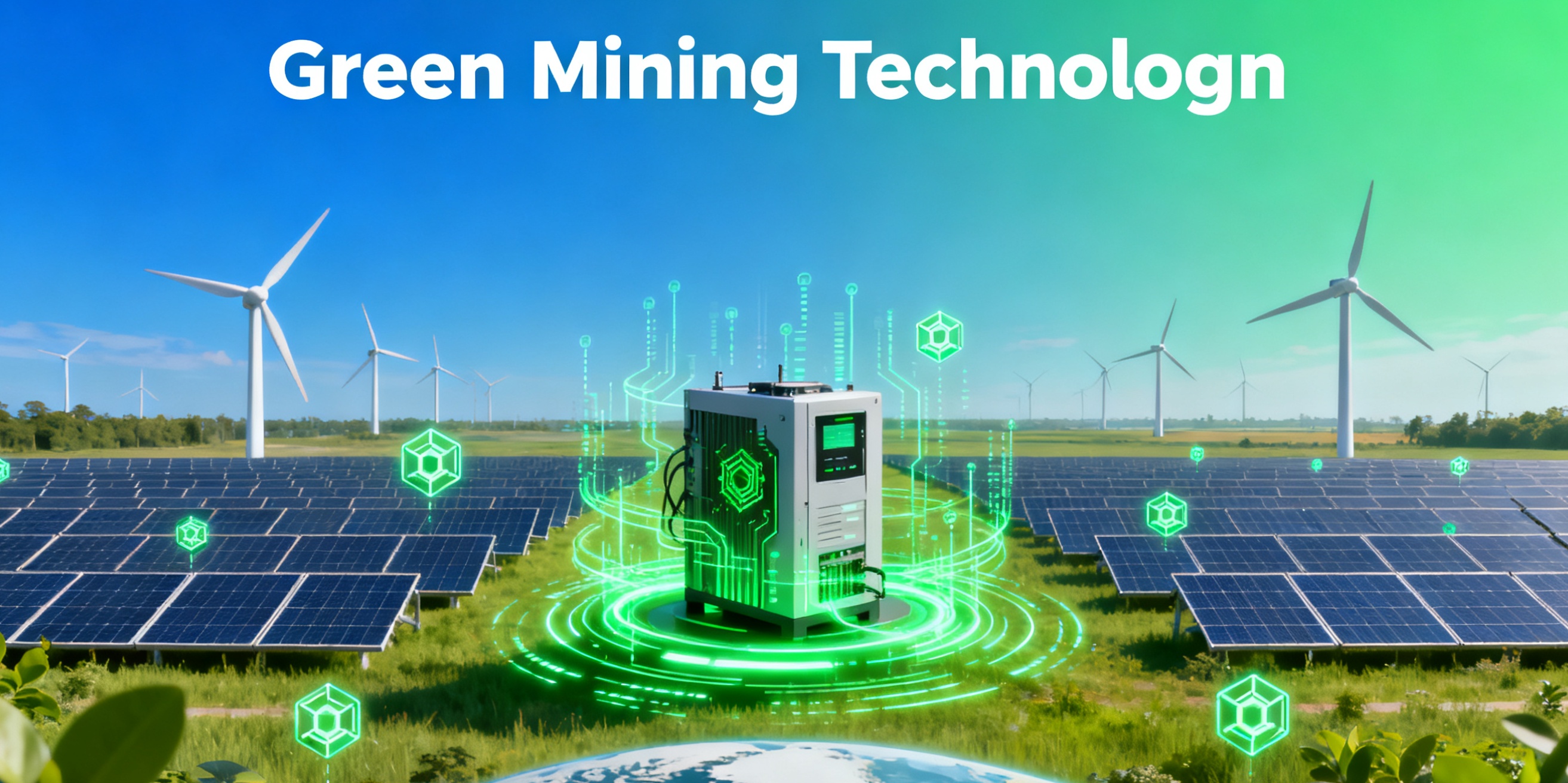
Bitcoin mining is the fundamental process that secures the Bitcoin network and creates new bitcoins. At its heart, this work is performed by specialized computers known as Bitcoin mining machines or miners. But how exactly do these machines "mine" digital currency? This guide breaks down the process into simple terms.
Imagine the Bitcoin blockchain as a massive, public ledger recording every transaction. This ledger is organized into "blocks." The role of miners is to compile a new block of recent transactions and, through a complex computational process, attach it to the existing chain. This act is what we call mining. The primary machine used for this today is the ASIC miner, which stands for Application-Specific Integrated Circuit. Unlike your home computer, these devices are built for one task only: solving the cryptographic puzzles required for Bitcoin mining.
The core function of a mining machine is to guess a specific number, called a "nonce." Combined with the data in the block, this nonce is run through a cryptographic hash function (SHA-256). The goal is to produce a hash—a string of numbers and letters—that meets a very strict condition set by the network, namely, being below a certain target value. This target is what determines the "difficulty." Mining machines must make quintillions of random guesses per second to find a valid hash.
This process is intensely competitive. Every mining machine on the global network is working simultaneously to solve the same puzzle. It's a computational race where the winner is the first machine to find a valid hash. When a miner succeeds, it broadcasts the new block to the network. Other nodes then verify the solution. Once confirmed, the block is added to the blockchain, and the successful miner is rewarded with newly minted bitcoins (the block reward) and the transaction fees from the block. This reward is the economic incentive that powers the entire mining ecosystem.
The efficiency and power of a mining machine are its most critical attributes. Hash rate, measured in hashes per second (H/s), indicates how many guesses the machine can make. A higher hash rate increases the chances of earning the reward. However, this raw power comes at a cost: massive electricity consumption. Therefore, power efficiency, measured in joules per terahash (J/TH), is equally vital. Modern ASIC miners are designed to deliver the highest possible hash rate while using the least amount of electricity, as power costs are the miner's primary ongoing expense.
Setting up a mining machine involves more than just plugging it in. Miners must connect their hardware to a mining pool (a group of miners who combine their computational power to share rewards more consistently) or choose to mine solo. The machine is configured with software to connect to the pool and the Bitcoin network. It then runs continuously, consuming significant electricity and generating substantial heat, which requires dedicated cooling solutions like fans or immersion cooling to prevent overheating and maintain optimal performance.
In summary, a Bitcoin mining machine mines by performing relentless cryptographic calculations to secure transactions, compete for the right to add the next block to the blockchain, and earn bitcoin rewards. It functions as a highly specialized engine for the Bitcoin network, transforming electrical energy into computational work that maintains the blockchain's integrity and decentralization. As the network grows, the technology behind these machines continues to evolve, pursuing greater efficiency to stay profitable in the competitive race for digital gold.
Post a Comment