How to Mine Bitcoin: A Beginner's Step-by-Step Guide to Processing Transactions
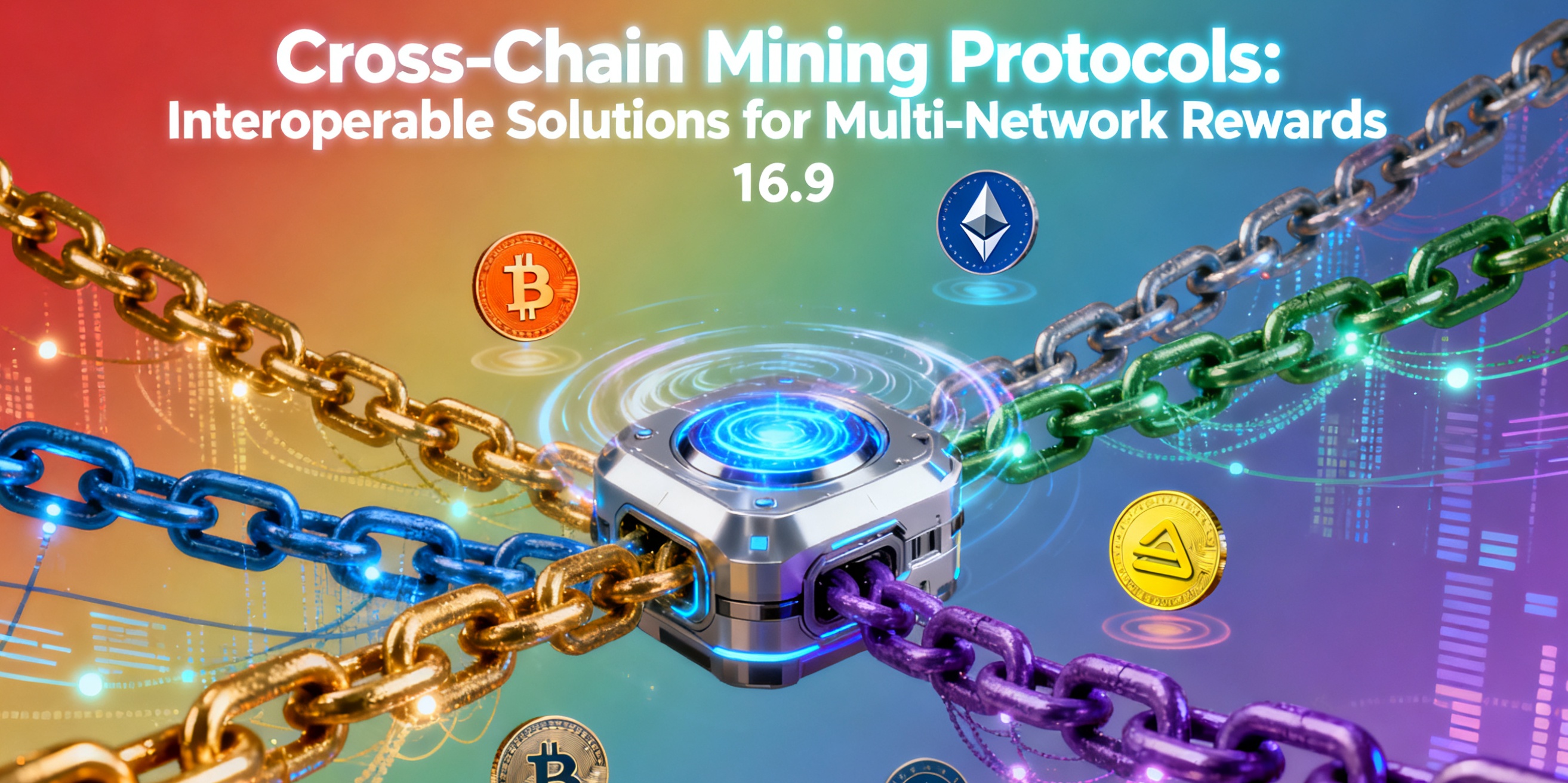
Bitcoin mining is often shrouded in mystery, but at its core, it's the essential process that secures the network and processes transactions. If you've ever wondered how new Bitcoins are created and how payments are verified without a bank, you're asking about mining. This guide breaks down the steps of how mining actually processes transactions, from submission to confirmation on the blockchain.
The journey of a Bitcoin transaction begins when you initiate a payment from your digital wallet. This action creates a digital transaction message containing the sender's and recipient's public addresses, the amount, and a cryptographic signature for security. However, this transaction is not immediately final. Instead, it is broadcast to the peer-to-peer Bitcoin network, where it joins a pool of other pending transactions known as the "mempool."
This is where miners enter the picture. Miners are individuals or groups running specialized computers that compete to compile these pending transactions into a new block. Their job is to collect transactions from the mempool, verify their legitimacy—ensuring signatures are valid and senders have sufficient funds—and assemble them into a candidate block. The critical and energy-intensive step comes next: solving a complex cryptographic puzzle. This process, called Proof-of-Work, requires immense computational power as miners' hardware hashes the block's data repeatedly, aiming to find a specific numerical solution.
The first miner to successfully solve the puzzle announces their victory to the rest of the network. Other nodes then quickly verify both the solution and all transactions within the new block. If everything checks out, the new block is accepted and appended to the existing blockchain—a permanent, public ledger. The miner is rewarded with newly minted Bitcoins (the block reward) and the transaction fees associated with all transactions in that block. For a user, once their transaction is included in a confirmed block, it is considered settled. Deeper confirmations with subsequent blocks make the transaction increasingly secure and irreversible.
Today, successful Bitcoin mining requires significant investment in Application-Specific Integrated Circuit (ASIC) miners, access to low-cost electricity, and often participation in a mining pool. Pools combine the hash power of many miners to increase the chance of earning rewards, which are then shared among participants. While the era of mining on a home computer is largely over, understanding the process demystifies how Bitcoin achieves decentralization and security. By dedicating real-world resources to computational work, miners make it prohibitively expensive for any bad actor to alter transaction history, thereby processing and securing every payment on the network.
Post a Comment