How to Buy Bitcoin Mining Hardware in 2024: A Beginner's Step-by-Step Guide
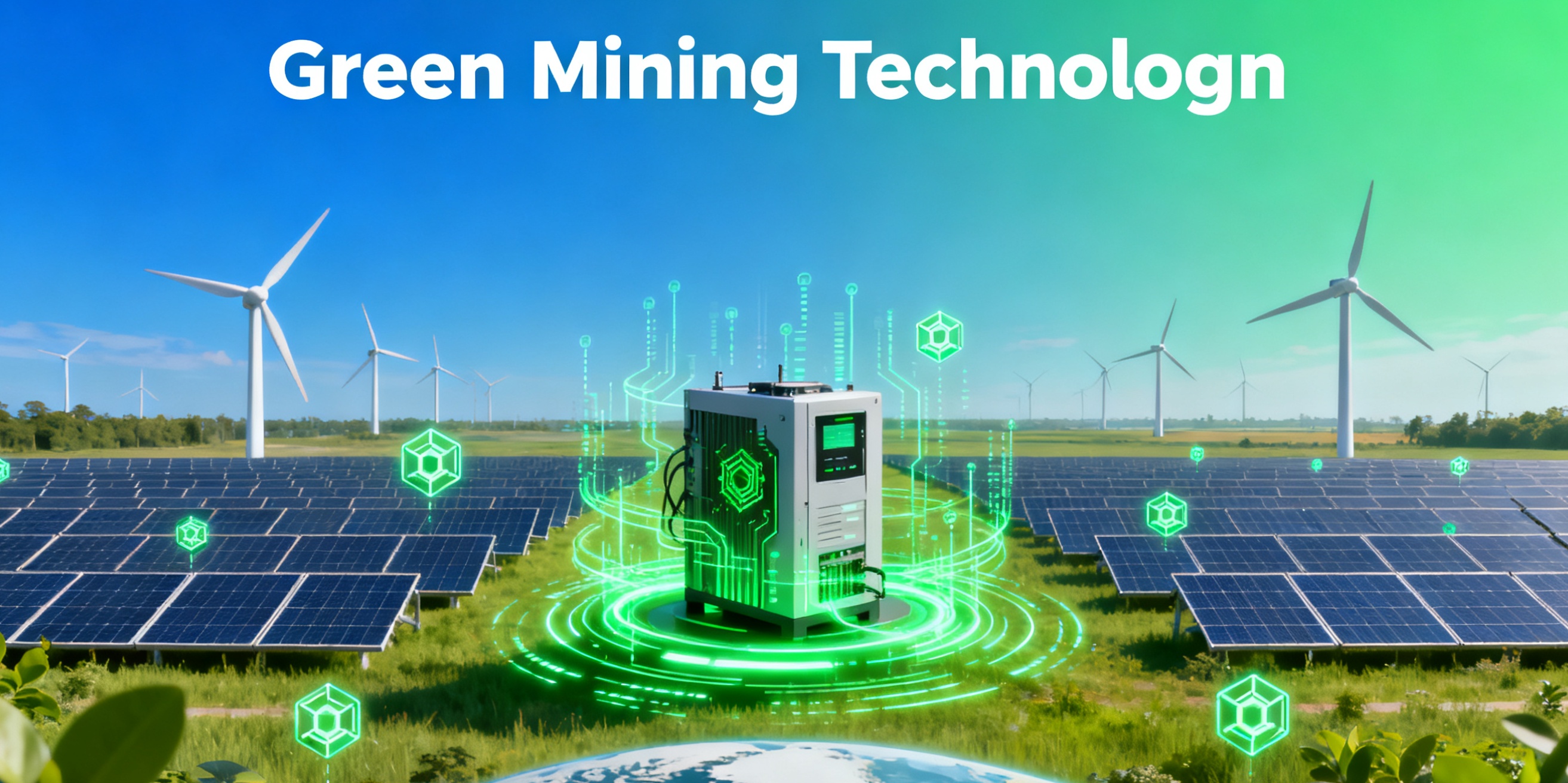
Purchasing Bitcoin mining equipment is the critical first step for anyone looking to enter the competitive world of cryptocurrency mining. While the process may seem daunting, understanding the key steps and considerations can empower you to make an informed investment. This guide outlines the essential path to acquiring your own mining rig.
The initial and most crucial phase is research and planning. You must first decide on the type of miner, primarily focusing on ASIC (Application-Specific Integrated Circuit) miners, which are the industry standard for Bitcoin mining. Key factors to compare include hash rate (measured in TH/s), energy efficiency (J/TH), upfront cost, and availability. Popular and reliable brands include Bitmain (Antminer series), MicroBT (Whatsminer), and Canaan (Avalon). Simultaneously, calculate your operational costs, primarily electricity, as it will be your largest ongoing expense. Mining is only profitable if the cost of power is sufficiently low.
Once you have a model in mind, the next step is finding a reputable seller. Major manufacturers often sell directly through their websites, though new models can sell out quickly during batch sales. Authorized resellers and distributors are a common alternative, offering availability and sometimes local support. Established online marketplaces like Amazon or Newegg also list miners, but buyer caution is paramount. For used equipment, platforms like eBay or specialized mining forums can offer lower prices, but carry the risk of worn-out hardware or scams. Always verify seller reputation through reviews and community feedback.
Before finalizing your purchase, consider the total cost of ownership. This goes beyond the sticker price of the machine. You must account for import taxes and shipping fees, which can be substantial for heavy equipment from overseas. Furthermore, you will need supporting infrastructure: high-capacity power supplies, reliable cooling solutions (fans or ventilation), and potentially specialized networking equipment. The noise and heat generated by ASIC miners also necessitate a suitable location, such as a cool basement or a dedicated commercial space.
After securing your hardware, the setup process begins. This involves physically installing the miner, connecting it to power and internet, and configuring it to connect to a mining pool. Mining pools combine the computational power of many miners to increase the chance of earning block rewards, which are then distributed among participants. You will need to choose a pool and set up a Bitcoin wallet to receive your earnings. It is vital to ensure your electrical circuits can safely handle the miner's power draw to prevent fire hazards.
Finally, continuous monitoring and management are key to profitability. Use the miner's built-in interface or remote management software to track its performance, hash rate, and temperature. The mining landscape is dynamic; Bitcoin's price and network difficulty constantly change. Regularly assess your operation's profitability against electricity costs. Starting with a single unit to learn the process is a prudent strategy before scaling up. By methodically navigating these steps—research, sourcing, setup, and optimization—you can successfully purchase and deploy Bitcoin mining equipment.
Post a Comment