How to Start Bitcoin Mining: A Beginner's Step-by-Step Guide 2024
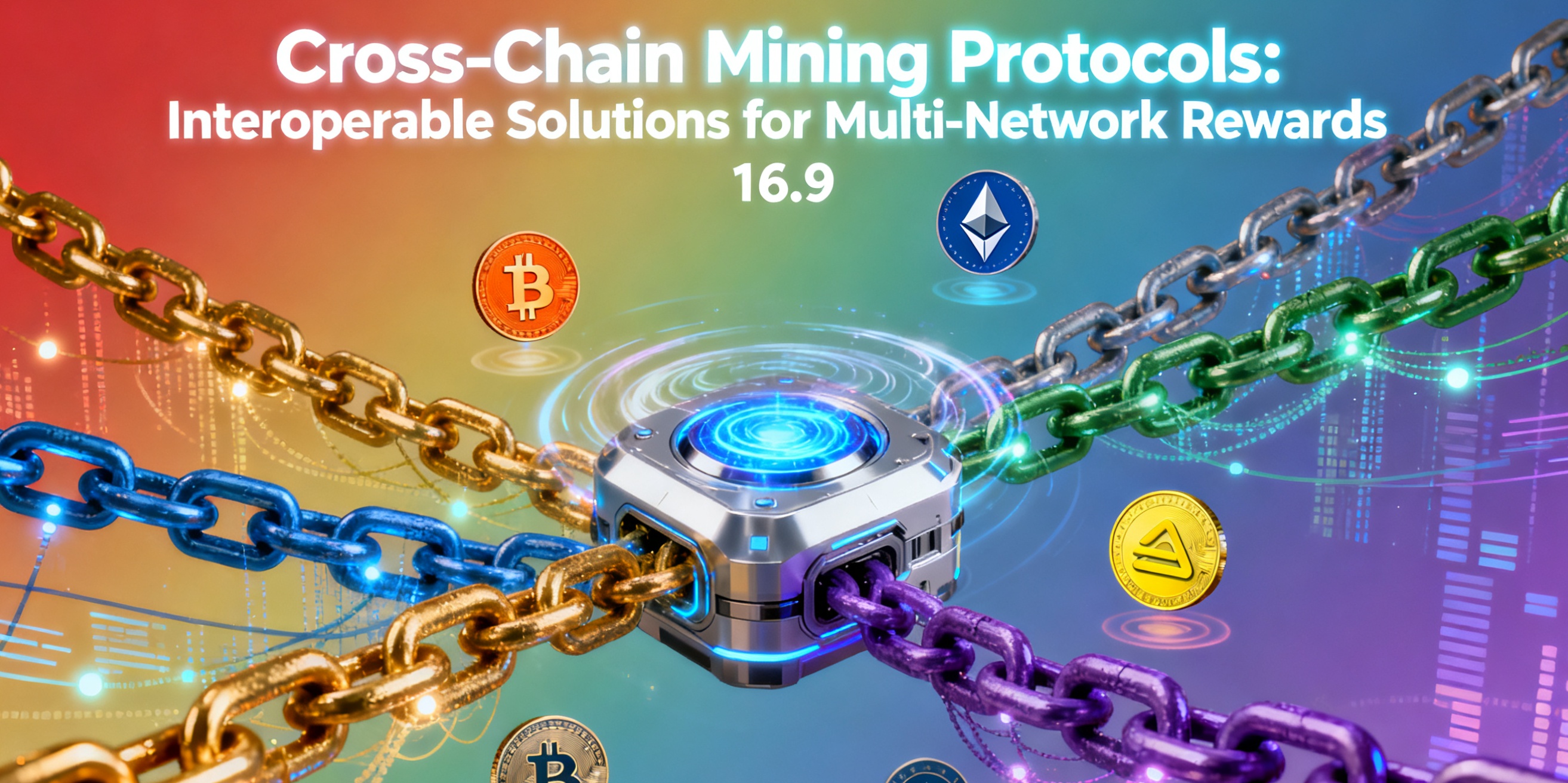
Bitcoin mining is the process that secures the network and creates new bitcoins. For many, it represents an intriguing way to participate in the cryptocurrency ecosystem. This guide will walk you through the essential steps on how to participate in Bitcoin mining, from understanding the basics to making your first hash.
First, it's crucial to understand what mining entails. Miners use specialized computers to solve complex mathematical puzzles. By doing so, they validate and add new transactions to Bitcoin's public ledger, the blockchain. As a reward for this computationally intensive work, successful miners receive newly minted bitcoins and transaction fees. This process is competitive, and your chance of earning rewards depends on the amount of computational power you contribute to the network.
The first step for any aspiring miner is to acquire the right hardware. In the early days, ordinary CPUs could mine Bitcoin. Today, the network's difficulty requires specialized equipment called ASICs (Application-Specific Integrated Circuits). These machines are designed solely for mining and offer vastly superior power and efficiency. Before purchasing, research the latest models, considering their hash rate (computing power), energy consumption, and cost. This is your most critical investment.
Next, you'll need mining software. This software connects your hardware to the Bitcoin blockchain and mining pool (more on that shortly). It doesn't control the hardware but directs its work. Many free software options are available, such as CGMiner, BFGMiner, or EasyMiner. Choose one compatible with your ASIC hardware and operating system.
Choosing a mining pool is highly recommended for beginners. Due to the immense difficulty, solo mining (going it alone) is statistically unlikely to yield a reward for an individual. A mining pool combines the hash power of all its participants. When the pool finds a block, the reward is distributed among members based on their contributed share of the work. This provides more frequent, predictable, though smaller, payouts. Compare pools based on their size, fee structure, and payout schemes.
Finally, you need a secure Bitcoin wallet to receive your earnings. A wallet provides you with a public address (to receive coins) and a private key (to spend them). Options range from hardware wallets (most secure) to mobile and desktop wallets. Never store mining rewards on an exchange long-term; transfer them to a wallet you control.
Before you begin, a serious reality check is necessary. Mining is a business venture with significant upfront costs (hardware) and ongoing operational costs (primarily electricity). Profitability is not guaranteed. You must calculate your potential return on investment by factoring in your hardware's efficiency, your local electricity rate, the current Bitcoin price, and network difficulty, which continues to rise. Use an online Bitcoin mining calculator to run these numbers.
Once your setup is complete—hardware installed, software configured, pool selected, and wallet ready—you can power on your miner. The software will communicate with the pool, and your machine will start working on solving algorithms. You can then monitor your dashboard on the pool's website to track your hash rate, submitted shares, and estimated earnings.
Participating in Bitcoin mining today means joining a highly professionalized industry. For most individuals, joining a reputable pool is the only viable entry point. While the dream of mining Bitcoin from your garage with a simple computer is gone, the opportunity to contribute to and earn from the network's security persists. By carefully researching hardware, managing costs, and maintaining realistic expectations, you can take your first step into the world of Bitcoin mining.
Post a Comment