How to Mine Bitcoin at Home: A Beginner's Step-by-Step Guide 2024
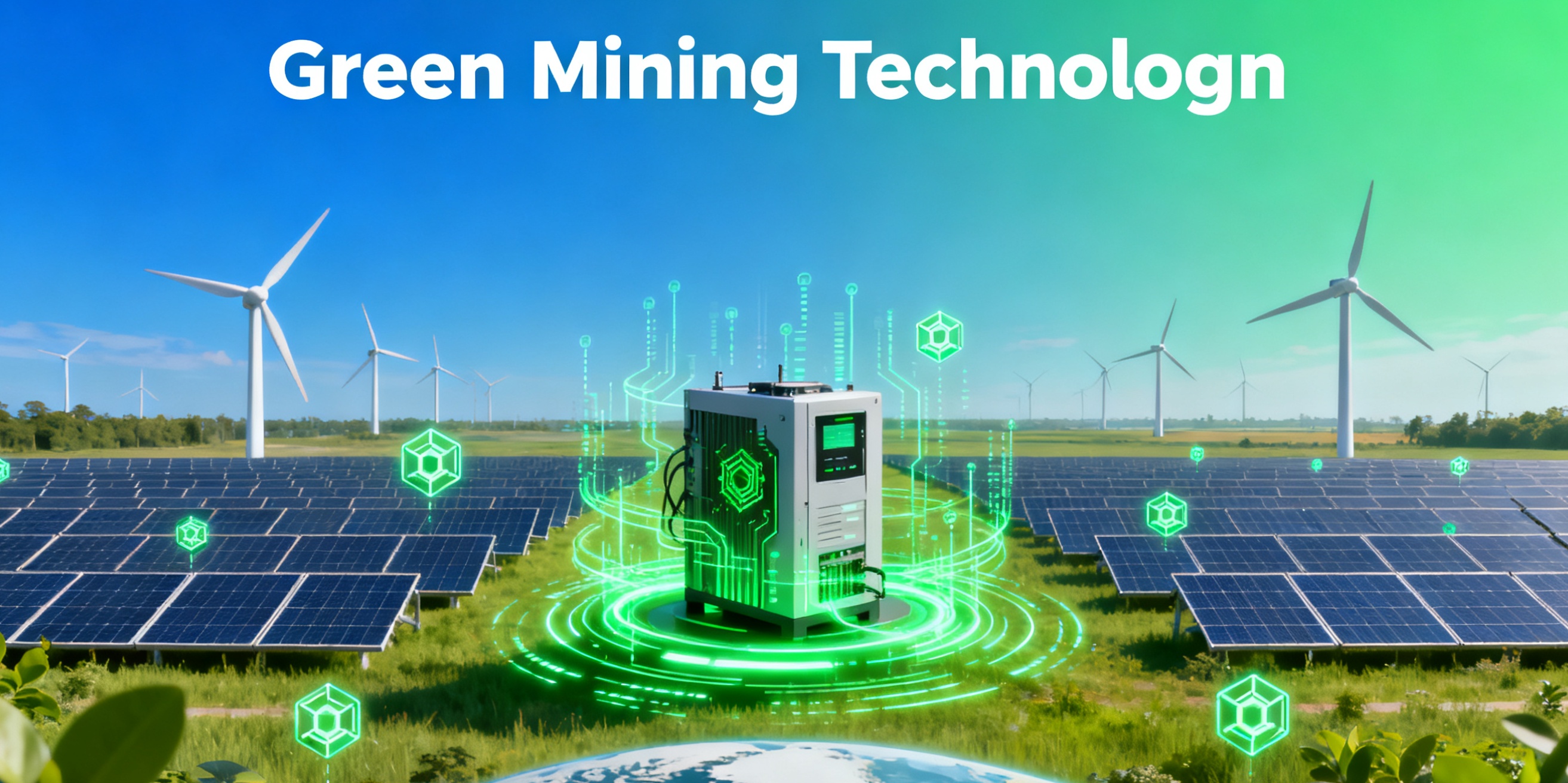
Bitcoin mining is the process that secures the network and creates new coins. While dominated by large-scale operations, mining Bitcoin yourself remains a fascinating, though challenging, endeavor. This guide walks you through the essentials of how to mine Bitcoin on your own.
The core concept involves using specialized computer hardware to solve complex mathematical puzzles. Your mining rig competes with others worldwide to be the first to find a valid solution for the next block of transactions. The successful miner is rewarded with newly minted Bitcoin and transaction fees. This process validates and secures the entire Bitcoin blockchain.
To start solo mining, you must first assemble the proper equipment. A standard computer is no longer viable. You need an Application-Specific Integrated Circuit (ASIC) miner, a powerful and energy-intensive machine designed solely for Bitcoin mining. Popular models come from manufacturers like Bitmain and MicroBT. You will also need a reliable internet connection, mining software, and a Bitcoin wallet to store your rewards.
Choosing your mining approach is critical. Solo mining, where you work alone, offers the full block reward but winning a block is extremely rare due to massive global competition. For most individuals, joining a mining pool is the practical choice. Pools combine the computational power of many miners, increasing the frequency of finding blocks. Rewards are then shared among participants based on their contributed hash power, providing a smaller but more steady income stream.
Your profitability hinges heavily on electricity costs, as ASIC miners consume substantial power. Before investing, use an online Bitcoin mining calculator. Input your hardware's hash rate, power consumption, local electricity cost, and the current Bitcoin price to estimate potential earnings or losses. In many regions, residential electricity rates make mining unprofitable.
The setup process involves several key steps. First, acquire your ASIC miner and ensure you have a cool, well-ventilated space with adequate power outlets. Next, configure the miner by connecting it to your network and accessing its interface via a web browser. You will need to enter details from your chosen mining pool or configure it for solo mining. Then, install and configure compatible mining software on a connected computer if required. Finally, point your hardware to the mining pool's server and start mining.
It is crucial to manage expectations. As a solo miner, the probability of successfully mining a block is exceedingly low. The high upfront costs for equipment, ongoing electricity expenses, and network difficulty adjustments often mean that individual mining is not a get-rich-quick scheme. It is pursued more for education, ideological support of network decentralization, or as a hobby with potential long-term payoff if Bitcoin's value rises significantly.
In conclusion, mining Bitcoin by yourself is a complex technical undertaking that requires significant research, investment, and risk management. For most beginners, starting with a reputable mining pool is the only feasible path. Carefully calculate all costs, stay informed about market trends and network difficulty, and always prioritize security for your earnings. By understanding these fundamentals, you can make an informed decision about entering the competitive world of Bitcoin mining.
Post a Comment