Bitcoin Mining for Beginners: A 2024 Step-by-Step Starter Guide
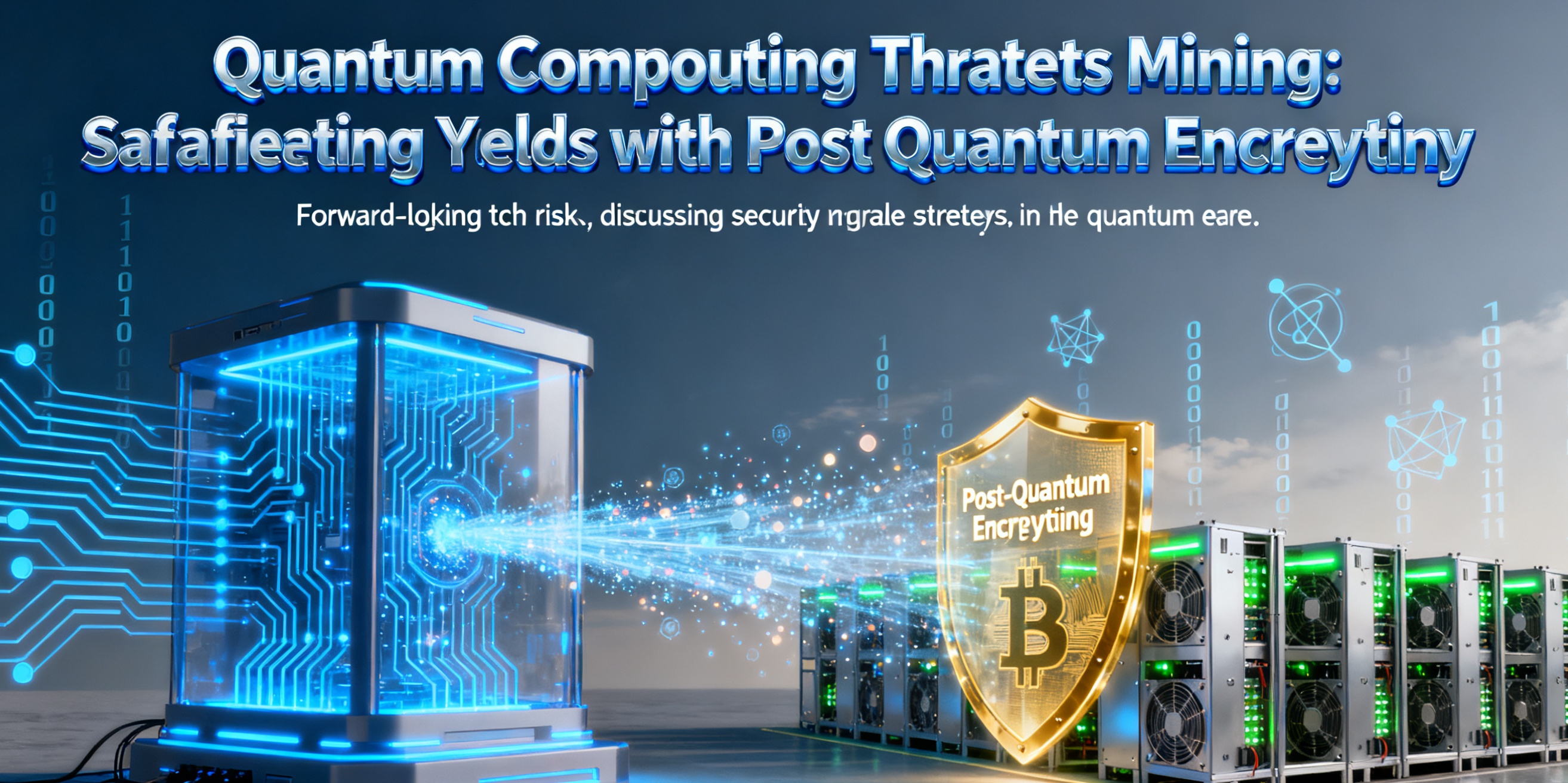
Have you heard about Bitcoin mining and wondered how to begin? This guide breaks down the essentials for newcomers, explaining the process, the required tools, and the key factors to consider before your first digital coin is mined. Getting started with Bitcoin mining today is more about specialized technology than the simple computer setups of the past.
At its core, Bitcoin mining is the process that secures the network and verifies transactions. Miners use powerful computers to solve complex mathematical puzzles. The first miner to solve the puzzle gets to add a new block of transactions to the Bitcoin blockchain and is rewarded with newly minted bitcoins and transaction fees. This is how new bitcoins enter circulation and how the network remains decentralized and secure.
Before you start, it's crucial to understand the main components you'll need. First, you require specialized hardware called ASIC miners. These are machines designed solely for mining Bitcoin and offer the necessary computational power, or hash rate, to be competitive. Second, you need reliable mining software to connect your hardware to the blockchain. Third, a digital Bitcoin wallet is essential to store your earnings securely. Finally, you must choose between joining a mining pool or going solo.
For most beginners, joining a mining pool is the most practical path. A mining pool is a group of miners who combine their computational power to increase their chances of solving a block. Rewards are then shared among participants based on the amount of power they contributed. This provides a more steady and predictable income stream compared to the unlikely event of solving a block alone. Popular pools include Foundry USA, Antpool, and F2Pool.
Your number one consideration is cost versus profit, known as mining profitability. The primary costs are the electricity required to run and cool your mining hardware, which runs 24/7, and the initial investment in the ASIC miner itself. You must calculate your potential earnings against these expenses. Many online mining calculators can help you estimate profitability by inputting your hardware's hash rate, power consumption, and local electricity costs. Currently, mining is most viable in regions with very low electricity prices.
Once you have your hardware, setting up involves a few key steps. First, install your ASIC miner in a cool, well-ventilated area. Connect it to power and your internet router. Then, configure the miner by accessing its interface via a web browser, where you will enter the connection details from your chosen mining pool and your Bitcoin wallet address. After saving these settings, your miner will start working and you can monitor its performance and earnings through your mining pool's dashboard.
Bitcoin mining has evolved into a professional, capital-intensive industry. For a beginner, thorough research is non-negotiable. Start by calculating profitability carefully, understand the volatility of Bitcoin's price, and be aware of the network's periodic difficulty adjustments that can impact your earnings. While setting up a small operation at home is possible, managing expectations is key. For many, an alternative first step into the crypto ecosystem might simply be buying a small amount of Bitcoin directly from a reputable exchange.
Post a Comment