Latest Free Blockchain Mining Software 2024: Start Earning Crypto Today
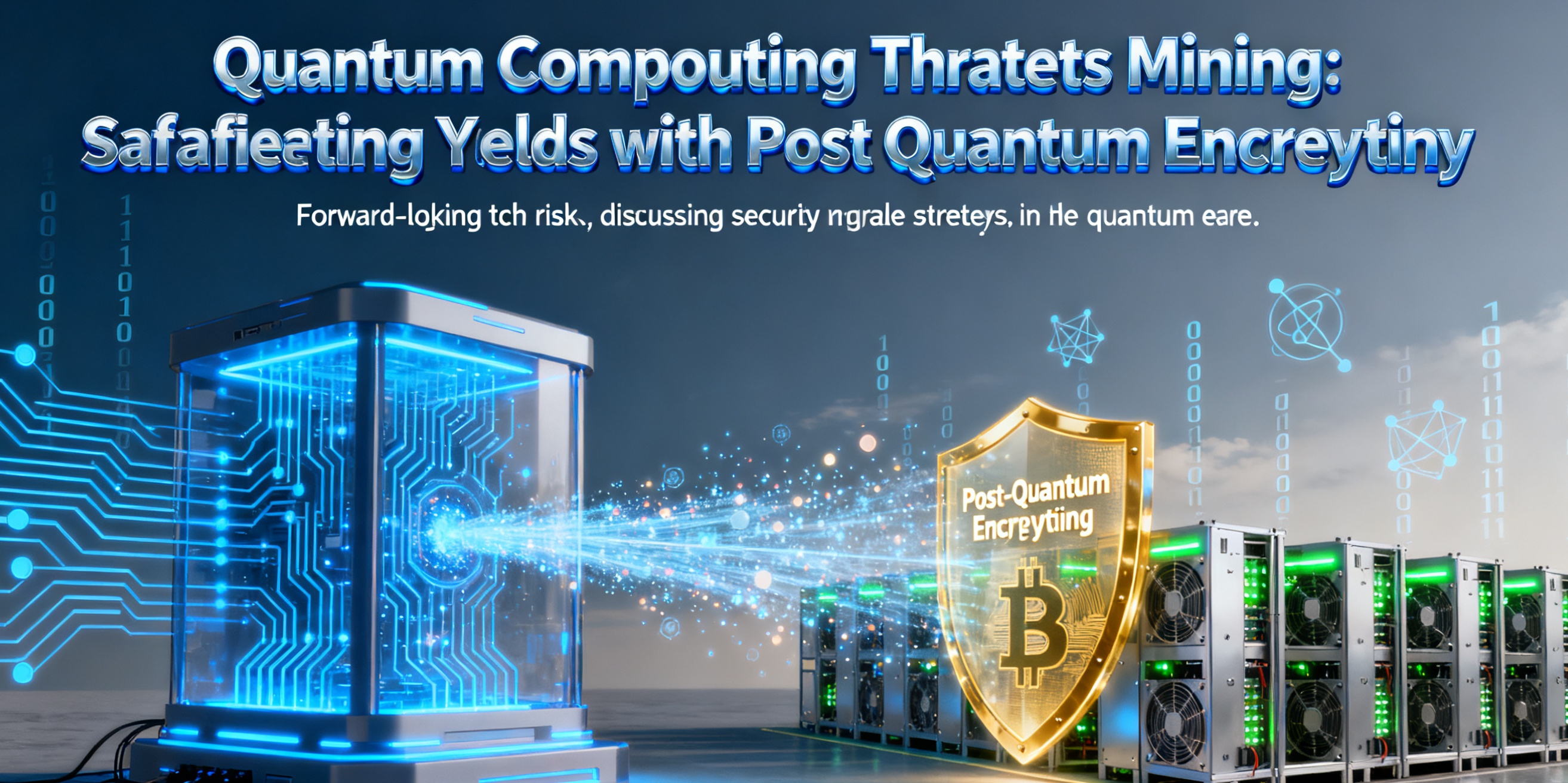
The world of cryptocurrency continues to evolve, and for many, free blockchain mining software represents a low-risk entry point. Unlike the expensive ASIC rigs of the past, modern solutions allow users to contribute computing power from their existing hardware. This guide explores the latest legitimate options for 2024, helping you navigate the landscape of free mining software safely and effectively.
Before diving in, it's crucial to understand the shift in mining technology. The era of profitably mining Bitcoin or Ethereum on a home computer is largely over due to their high energy consumption and network difficulty. Today's free mining software often focuses on alternative, less energy-intensive consensus mechanisms like Proof-of-Stake (PoS) or mines newer, more accessible cryptocurrencies. The key is to manage expectations; this is typically a gradual accumulation of value rather than a get-rich-quick scheme.
So, what are the latest types of free mining software available? Browser-based miners, which run directly in your web browser when visiting a specific site, have become less common but still exist. More prevalent are downloadable software clients that join a mining pool. These pools combine the power of many users to solve blocks, distributing rewards fairly based on contributed hash power. Popular legitimate examples for 2024 include software for mining coins like Monero (XMR), which is still CPU-mineable, or participation in emerging blockchain ecosystems that distribute tokens to early network supporters.
Security is the paramount concern when choosing free mining software. Only download software from the official websites of the cryptocurrency project or the mining pool. Be extremely wary of any program that promises unrealistic returns or asks for private keys. Reputable software will only require your public wallet address for payouts. Always ensure your antivirus is active, as the crypto space is a frequent target for malware disguised as mining tools.
Beyond traditional mining, consider "staking" as a form of "soft mining." Many modern blockchains use PoS, where you can earn rewards by holding and "staking" your coins in an official wallet to help secure the network. This process requires an initial purchase of coins but is often integrated into user-friendly, free wallet software. It's a less resource-intensive way to generate yield from your crypto assets.
Another innovative model is "storage mining" or providing shared computing resources. Projects like Filecoin allow users to earn tokens by renting out their spare hard drive space. The software to participate is free, though it requires technical setup and reliable storage hardware. This represents the next frontier of decentralized infrastructure supported by individual users.
To get started, first, decide on a cryptocurrency to target based on your hardware. For CPU mining, research coins like Monero. For GPU mining, look at newer projects on networks like Ravencoin or Ethereum Classic. Next, acquire a secure digital wallet for that specific coin. Then, choose a reputable mining pool with a clear fee structure and join their community. Finally, download their recommended free mining software (like XMRig for Monero or Trex for NVIDIA GPUs), configure it with your pool and wallet details, and start mining.
In conclusion, the latest free blockchain mining software in 4 opens doors to cryptocurrency participation without significant upfront investment. The landscape has shifted from pure computational brute force to more diverse and accessible models. Success requires research, managed expectations, and unwavering attention to security. By choosing legitimate software, joining a reliable pool, and staying informed, you can be part of the blockchain ecosystem and potentially grow your digital asset portfolio over time. Remember, the most sustainable approach is to view mining as a long-term learning experience and a way to support decentralized networks.
Post a Comment