How to Start Bitcoin Mining: A Beginner's Guide for Bikan Users
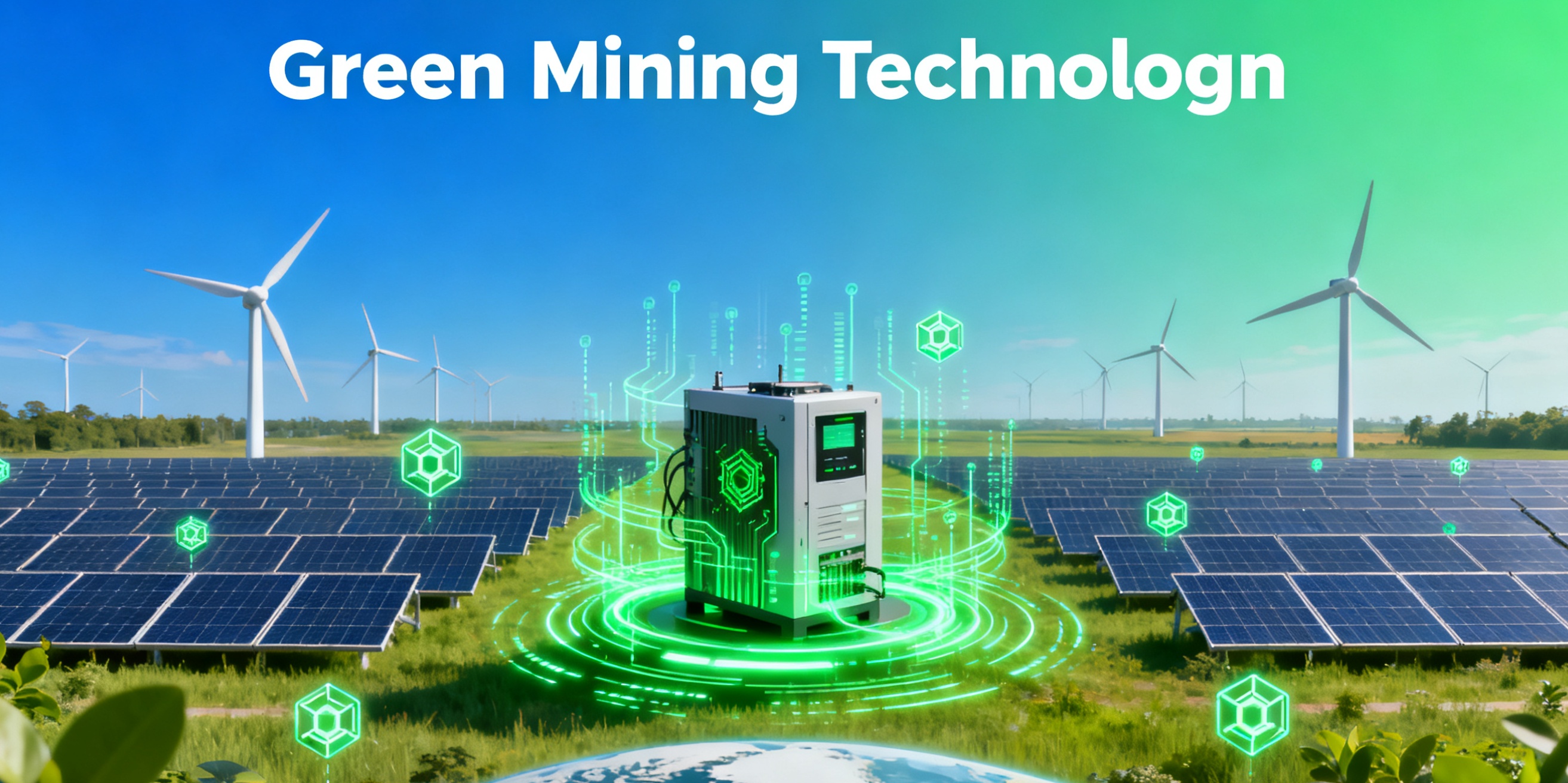
Bitcoin mining is a fundamental process that secures the Bitcoin network and introduces new coins into circulation. For individuals in Bikan or anywhere else exploring this activity, understanding the basics, requirements, and realities is crucial before starting.
First, it's essential to clarify that Bitcoin mining is not a game. It is a highly competitive and resource-intensive process that requires significant technical knowledge and financial investment. Miners use specialized computers called ASICs (Application-Specific Integrated Circuits) to solve complex mathematical puzzles. The first miner to solve the puzzle gets to add a new block of transactions to the blockchain and is rewarded with newly minted Bitcoin and transaction fees.
For a beginner considering mining, the first step is education. You must understand key concepts like hash rate, mining difficulty, energy consumption, and pool fees. The Bitcoin network's difficulty adjusts automatically, ensuring a block is mined roughly every ten minutes, regardless of how much total computing power is on the network. This means as more miners join, the competition increases, making it harder for individual miners to earn rewards.
Next, assess the hardware requirements. Consumer-grade computers or gaming GPUs are no longer viable for Bitcoin mining. Effective mining requires investing in enterprise-level ASIC miners, which are expensive, consume large amounts of electricity, and generate considerable heat and noise. You must calculate your potential profitability by considering the cost of the hardware, your local electricity rate in Bikan, internet reliability, and cooling solutions.
Given the high barriers to entry, most individual miners join a "mining pool." In a pool, miners combine their computational power to increase their chances of solving a block. Rewards are then distributed among pool members based on the amount of work they contributed. This provides a more steady and predictable income stream compared to solo mining, which might yield no rewards for a very long time.
Another critical consideration is legality and regulation. Always verify the local regulations in your area regarding cryptocurrency mining and taxation. Ensure your mining operation complies with all relevant laws and electrical codes.
Finally, manage your expectations. With current high difficulty levels and electricity costs, profitable Bitcoin mining is challenging. For many people, especially those new to the space, purchasing Bitcoin directly from a reputable exchange might be a more practical alternative to investing in mining hardware and infrastructure.
In conclusion, while the concept of generating Bitcoin through mining is appealing, it is a serious technical and financial undertaking. Prospective miners in Bikan should conduct thorough research, perform detailed profitability calculations, and start small if they decide to proceed. The landscape is dynamic, so continuous learning and adaptation are key to any potential success.
Post a Comment